Best Multimeters for Electronics Hobbyists
Every bench needs one. Here's how to choose the right meter for what you actually do.
All Multimeters Reviewed
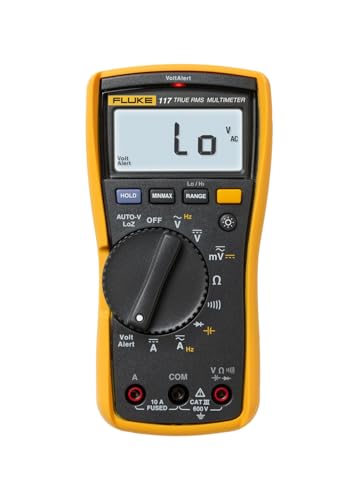
The Fluke 117 is what every electrician has in their bag. True RMS, built-in non-contact voltage tester, and Fluke's legendary durability. It's expensive, but it'll outlast every cheap meter you've ever owned combined.
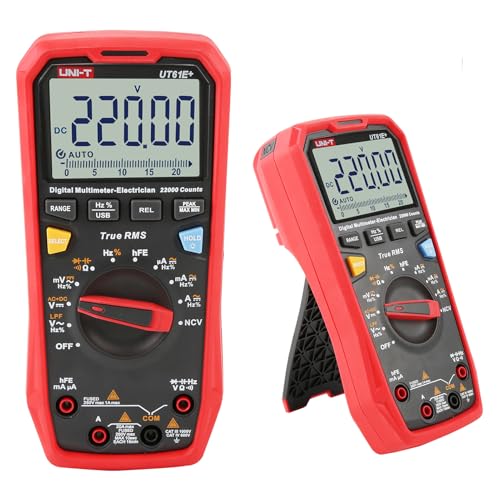
The UNI-T UT61E+ is the best meter under $50. The 22000-count display gives you resolution that rivals meters 3x the price, the true RMS engine is accurate, and the USB data logging is a genuine differentiator. The first meter I'd recommend to any electronics hobbyist.
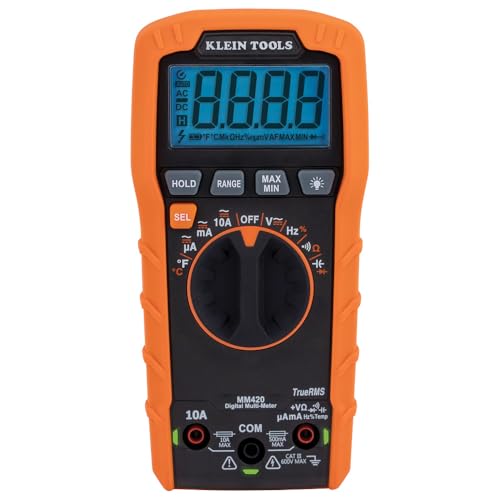
Klein Tools built its reputation with tradespeople, and the MM400 shows why. It's rugged, accurate, and designed to be used one-handed in an awkward spot. Not as technically impressive as the UT61E+, but it's the meter you want if you're doing real electrical work.
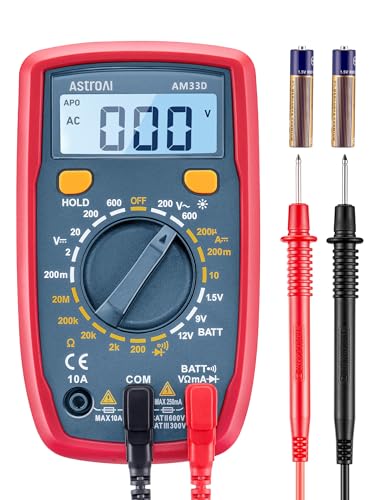
If you just need to check battery voltage and continuity, the AstroAI AM33D gets the job done for $23. It's not true RMS and the manual ranging will annoy you. But it's a meter that'll live in your toolbox for exactly when you need to quickly check something without worrying about damaging it.
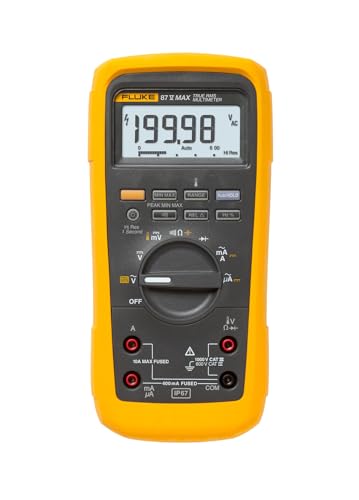
The Brymen BM869s is the meter that engineers who know meters actually use. 60000-count resolution, CAT IV rating (the safest), dual display for simultaneous readings, and accuracy that embarrasses most meters at twice the price. If you want the best under-$200 meter, this is it.
True RMS — Do You Actually Need It?
For electronics hobbyists working with DC circuits, Arduino, and sensor debugging: you rarely need true RMS. Basic voltage and continuity checks work fine with an average-responding meter.
Where true RMS matters: AC measurements on motors, variable frequency drives, switching power supplies, and anything that produces non-sinusoidal waveforms. If you work with real electrical circuits (not just PCBs), get true RMS.