Digilent Analog Discovery 3 vs Siglent SDS2104X Plus
Head-to-head spec comparison to help you pick the right scope for your bench.
Spec-by-Spec Comparison
| Spec | Digilent Analog Discovery 3 | Siglent SDS2104X Plus |
|---|---|---|
| Bandwidth | 50 MHz | 100 MHz |
| Sample Rate | 0.125 GSa/s | 2 GSa/s |
| Channels | 2 | 4 |
| Memory Depth | 32 Kpts | 200 Mpts |
| Display Size | N/A | 10.1" |
| Weight | 0.15 kg | 4.5 kg |
| Price | $379 | $1399 |
| Rating | 7.5/10 | 8.0/10 |
| Protocol Decoder | Yes | Yes |
| Function Gen | Yes | Yes |
| WiFi | No | No |
| Battery | No | No |
| Buy on Amazon | Buy on Amazon |
Pros & Cons
Digilent Analog Discovery 3
Pros
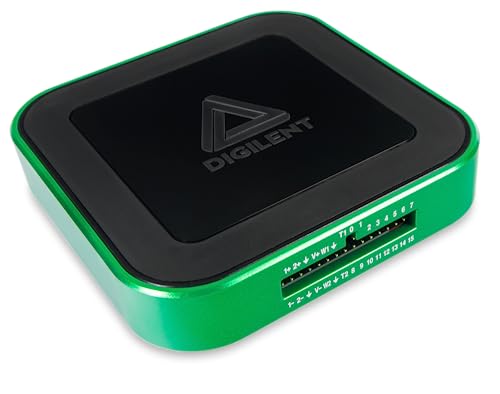
- 14 instruments in one: scope, logic analyzer, protocol analyzer, function gen, power supplies, network analyzer, and more
- WaveForms software is excellent, free, and regularly updated
- 16-channel logic analyzer is invaluable for digital protocol debugging
- Fits in a pocket — genuinely portable full lab capability
- Great for students and educators who need multiple instrument types
Cons
- Only 125MSa/s — significantly lower than benchtop scopes
- Requires a PC to operate — no standalone use in the field
- 2 analog channels with limited bandwidth compared to benchtop alternatives
- 32Kpt analog memory depth is very shallow for longer captures
- Not a replacement for a dedicated scope when analog performance matters
Siglent SDS2104X Plus
Pros
- 200Mpt memory depth is exceptional — capture minutes of data at full sample rate
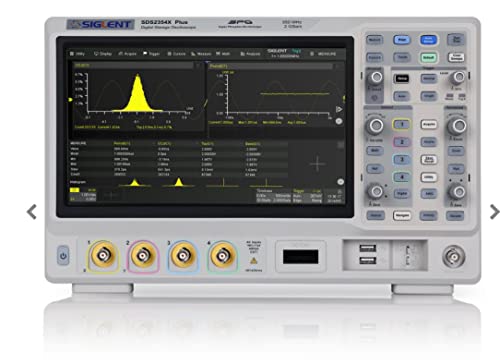
- 10.1-inch IPS touchscreen is genuinely gorgeous to work with
- 2GSa/s sample rate handles fast signals better than 1GSa/s scopes
- Comprehensive protocol decoding including FlexRay, I2S, and MIL-STD-1553
- Built-in 25MHz AWG function generator
- Feels like a professional instrument — because it is one
Cons
- Around $1,400, it's at the top of hobbyist budgets
- 100MHz bandwidth is surprisingly low for this price tier
- Large and heavy — needs permanent bench space
- Overkill for casual Arduino projects or simple bench work
Our Verdicts
Digilent Analog Discovery 3
The Digilent Analog Discovery 3 isn't really an oscilloscope — it's a multi-instrument lab that happens to include a 2-channel oscilloscope alongside 13 other tools. The 16-channel logic analyzer is its killer feature for embedded work: you can monitor SPI, I2C, GPIO pins, and PWM outputs simultaneously, something a 4-channel scope simply cannot do. WaveForms software is genuinely excellent — one of the best oscilloscope software experiences on any platform. As a pure oscilloscope, the 125MSa/s sample rate and 32Kpt memory are real limitations that you'll notice on any non-trivial analog signal. This is the right tool if you need a logic analyzer AND a scope AND a function generator and can only buy one device — especially for embedded development and student labs. If you primarily need to measure analog signals or capture long waveforms, a dedicated benchtop scope will serve you better.
Siglent SDS2104X Plus
The Siglent SDS2104X Plus is a professional-grade scope that happens to be affordable enough for serious hobbyists, and using it for a long debugging session makes the price feel justified. The 200Mpt memory depth is the headline — you can capture minutes of data at full sample rate, then scroll back and zoom into any moment without re-triggering. The 10.1-inch IPS touchscreen is excellent. The comprehensive protocol decoding (including FlexRay and I2S) makes it the right tool for serious automotive or audio embedded work. The surprise is that all this comes with only 100MHz bandwidth — you're paying for depth, features, and build quality, not raw frequency response. Around $1,400, this is a serious investment. It only makes sense if you do electronics work regularly enough to amortize that cost, and if you want an instrument you genuinely won't outgrow.